Best Burmese Curly Bundles: Vendor Selection Checklist for Buyers
The best Burmese curly bundles come from vendors who can prove consistent curl pattern, intact cuticles, honest bundle weights, and dependable lead times—not just the lowest wholesale quote. Use this checklist to separate real virgin Burmese hair from mixed-origin stock that frizzes or mats after one wash. I’ll walk through what we inspect in the warehouse and the questions I’d ask before sending a deposit.
What actually makes Burmese curly bundles good?
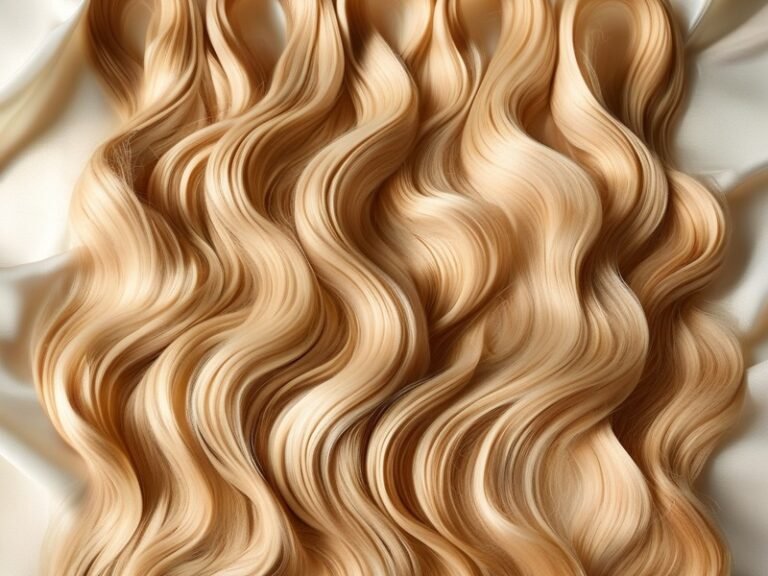
Burmese curly is usually medium-coarse, natural dark brown to off-black, with a soft spring curl that loosens slightly when oiled. Virgin hair means it hasn’t been permed, dyed, or coated, so the curl should return after co-washing rather than turn into loose waves. Cuticle aligned means the outer scales all run root to tip, which is what keeps the hair from tangling. Ask for unfiltered videos of the bundles dry, wet, and after finger-combing; stock photos alone won’t tell you much. If every batch looks perfectly identical, that’s a red flag because donated human hair has natural variation.
How many bundles do I need for a full sew-in?
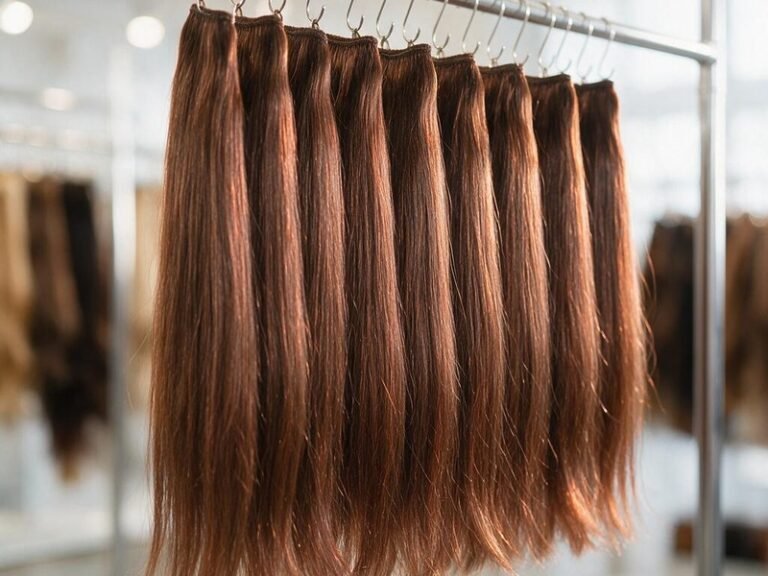
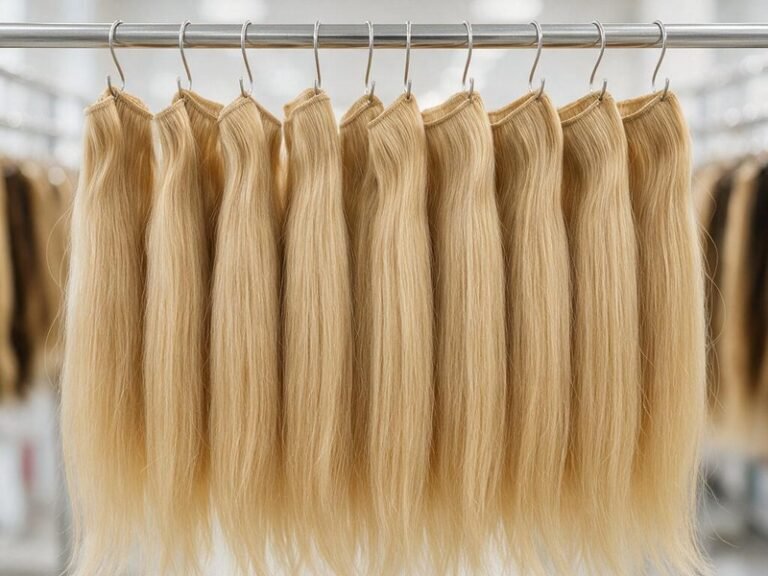
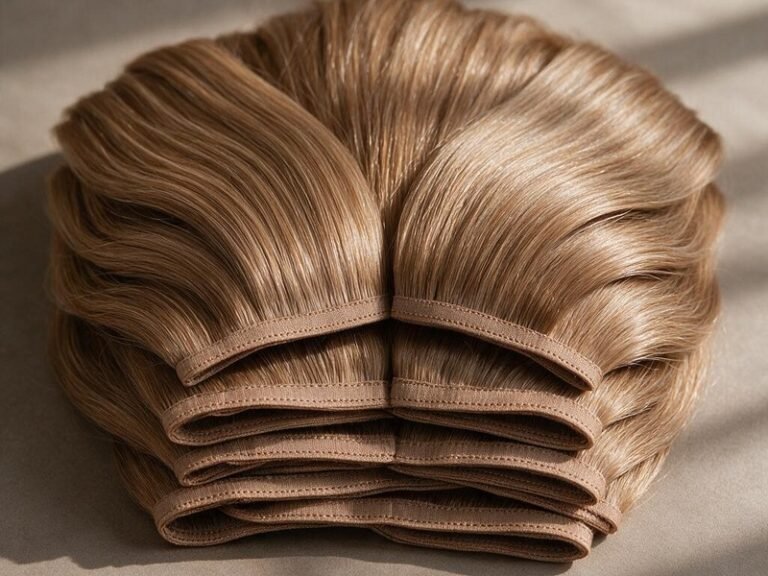
Most machine-wefted bundles weigh 95–100 grams, or about 3.3–3.5 ounces, despite what a glossy listing might promise. For lengths 10–18 inches, three bundles usually cover a standard sew-in; go with four for 20–28 inches or fuller density, meaning the amount of hair in each section of the finished style. Longer bundles have shorter wefts because the hair itself weighs more, so you’re not necessarily getting cheated when a 26-inch bundle looks narrower. If your client wants a thick, blunt perimeter or a frontal install, budget an extra bundle or a matching closure. Confirm weights on the packing list, not just in the listing, because 70-gram bundles are where cheap quotes quietly fall apart.
How do I test a new Burmese curly vendor?
- Order one or two sample bundles before any wholesale run; testing one curl type is enough to start.
- Wash and air-dry the sample twice, then run your fingers through from weft to ends—matting usually shows up here.
- Compare the dry and wet curl pattern and take dated photos so you can match future batches.
- Check the weft for secure stitching, shedding when pulled, and thick spots that create lumps in braids.
- Ask where the hair is collected and whether the vendor keeps stock or sources per order; vague answers usually mean mixed batches.
- Confirm MOQ, sample pricing, production lead time, and who pays return shipping on defective hair.
- Ask for recent packing photos or a video call before balance payment, especially on orders over $1,000.
What’s the difference between Burmese virgin, Remy, and raw hair?
Virgin hair is unprocessed, while Remy means the cuticles are kept aligned but the hair may still have light coloring or steam treatment. Raw hair usually refers to unprocessed donor hair with no steam pattern, so a very uniform “raw Burmese curl” can be a contradiction. Burmese curl is often steam-set to bring out the pattern, and that’s normal—what matters is whether the vendor admits it and controls the temperature. If a supplier refuses to explain processing or calls every bundle “100% raw,” keep comparing. We put together a separate Remy hair vendor checklist if you want to compare claims across origins.
What price and lead time should I expect?
Wholesale Burmese curly bundles commonly run $25–$55 per bundle depending on length, grade, order volume, and whether you’re buying stock or custom lengths. Quotes under $20 for 22-inch virgin hair usually mean thinner bundles, mixed origins, or silicone coating that washes out. Stock orders often ship in 5–10 business days, while custom lengths or relabeled packaging can take 15–30 days, so don’t promise clients a Friday install if production starts Monday. MOQs range from 3–10 bundles for small vendors to 50+ for factory pricing, and most reputable suppliers refund or replace clear defects but won’t cover stylist labor. Paying a few dollars more per bundle is cheaper than explaining mats to a repeat client.
Buyer FAQ
Is Burmese curly hair high maintenance?
It likes moisture and a light hold product, especially in dry climates, because the curl can get frizzy and tangle at the nape. Clients should braid it at night, use a silk pillowcase, and avoid heavy oils that coat the pattern. With normal care, good Burmese curly can last 12–24 months through repeated installs.
Can I color Burmese curly bundles?
Yes, virgin Burmese hair usually lifts and takes color well, but lightening always dries the curl and loosens the pattern slightly. Do a strand test first and suggest deep conditioning after any chemical service. If the hair is already labeled color-treated, lifting further is riskier, so ask the vendor before buying.
Once you’ve narrowed two or three suppliers, order samples, wash them, and compare the results side by side. If you want to see weights and current stock in one place, our shop all hair extensions page and FAQ page cover the basics before you message sales.
Send Us Your Hair Inquiry
Need bulk pricing, samples, or a private-label quote? Fill in the form and our team will get back to you within one business day.