How to Start a Hair Business Step by Step: Pros, Cons & Care Tips
Starting a hair business step by step means choosing a niche, sourcing dependable human hair, handling basic business setup, and teaching buyers simple care habits. Plan on $1,500–$5,000 for starter inventory, not $100; profit comes from repeat orders, not one viral sale. Here’s the honest supplier-side version.
What do I actually need to start a hair business?
Start with one audience—salon sew-ins, braiders, wig makers, or everyday wearers—because each buys different hair.
Register the business, get a sales-tax permit, and set up a simple site or checkout before ordering; skip the fancy logo for now.
Order samples first, wash or color them if that’s your market, and use the results in real content and customer answers.
Choose a supplier with clear lengths, origins, lead times, and stock consistency, then test a small order before promising dates.
Which hair products should I sell first?
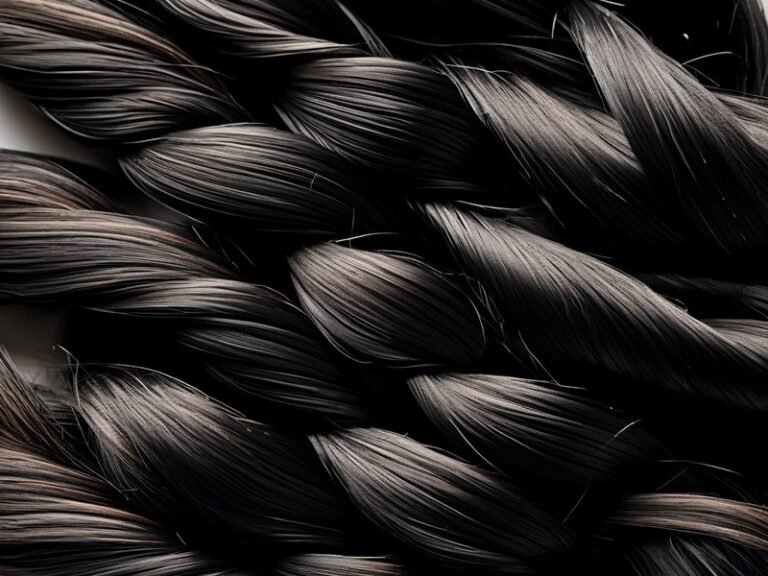
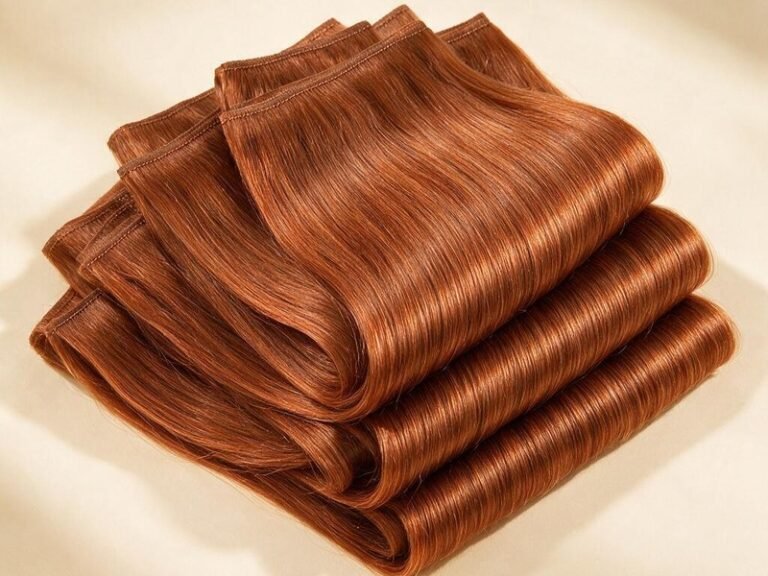
Keep opening inventory narrow: machine wefts, or stitched tracks, for sew-ins; bulk hair, loose strands with no track, for braiding; and one lace finishing piece instead of every texture.
Virgin hair is unprocessed human hair that is not colored or permed; Remy hair means cuticles run one direction, but mixed donors can still tangle.
A closure is a small lace or silk piece that finishes a sew-in, while a frontal is an ear-to-ear piece that creates a hairline.
If braiders are your core buyers, start with bulk hair for braiding; for salons, test weft hair extensions in 18–24 inches.
Our guide to hair for boho braids explains curls and human-hair blends before a trend-heavy order.
Is selling hair worth the cost and risk?
Many China suppliers ask 5–20 pieces per texture; stock bundles often cost $15–$60 wholesale and resell at 2–3x, depending on length and origin.
Stocked hair may ship in 3–7 business days, while custom labels or packaging can take 2–4 weeks.
The upside is repeat orders every 6–10 weeks, light shipping, word of mouth, and add-ons like closures and wig caps.
The downside is quality disputes, customers blaming hair for bad installs, cash tied up in long lengths, and returns from one mixed batch.
Chasing only the cheapest bundle usually backfires through thin strands, short hairs, coated ends, and refunds.
How do customers care for human hair extensions?
Tell buyers to detangle from the ends up before washing, then shampoo downward instead of rubbing hair into a lather.
Use sulfate-free shampoo and moisturizing conditioner, keep conditioner off bonds and stitching, and let extensions air dry on a towel.
Don’t cut sew-in wefts unless they’re sealed; tape-in and keratin k-tip wearers should avoid root oils and wait 24–48 hours to wash.
For wigs and closures, recommend a satin scarf or pillowcase, low heat, and a grip band instead of daily gluing.
With these habits, good human hair usually lasts 9–18 months, and you’ll get fewer “this hair is bad” messages.
Quick FAQ
How many bundles do I need for a full sew-in?
A typical sew-in uses 3 bundles at 10–14 inches, 3–4 bundles at 16–22 inches, and 4 or more past 24 inches.
Add a closure or frontal for a natural part; density means the percentage of hair volume in a wig or unit.
How long does human hair last?
With gentle washing, detangling, and low heat, good virgin or Remy hair can last 9–18 months; a daily wig may wear out sooner.
Processed bargain hair or a rough install can mat or shed in weeks, so set expectations before the sale.
If you’re ready to compare textures and lengths, browse our shop all hair extensions page and order samples before buying a full batch.
Take notes on shedding, curl return, and dye tests, then build your product list around what your customers actually wear.
Send Us Your Hair Inquiry
Need bulk pricing, samples, or a private-label quote? Fill in the form and our team will get back to you within one business day.