How to Ship Hair Extensions Without Tangling
We see this mistake every single week in our warehouse: a new buyer tries to ship hair extensions without tangling on the cheap, skips basic prep steps to save 50 cents a package, then 30% of their order arrives at the salon or end customer matted so bad it can’t be saved. Tangling in transit doesn’t just cost you replacement product, it kills repeat business and tanks your reviews before you even get a chance to show off how good your hair actually is. I’ve spent 7 years troubleshooting these shipments, fixing packaging for salon owners and resellers, and I’m going to walk you through what actually works, no fancy overpriced supplies required.
Most tangling happens before you even seal the box
Everyone blames rough delivery drivers for matted hair, but 80% of the tangled returns we help buyers resolve trace back to prep missteps long before the package gets picked up. The biggest one? Twisting or folding hair against the direction of the cuticle. Cuticles are like tiny shingles on a strand; if you lay them all the wrong way before packing, even two days sitting in a mailer will make strands catch and knot on each other, no rough handling required.
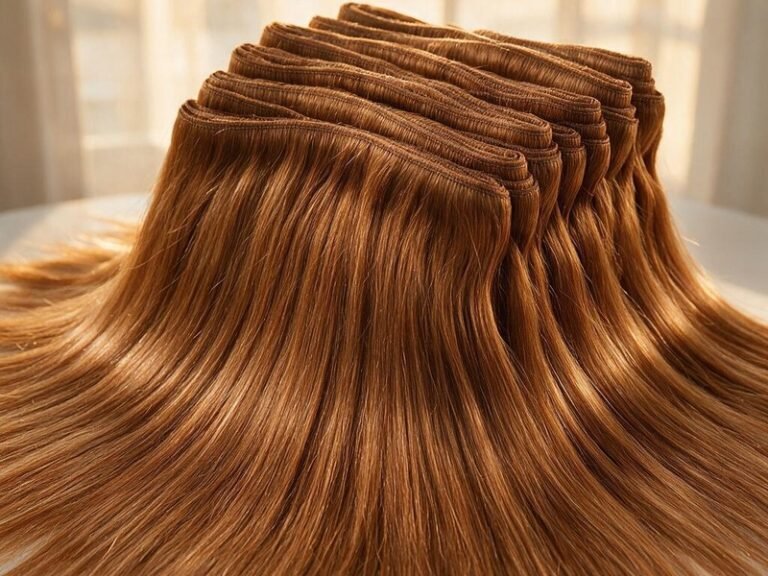
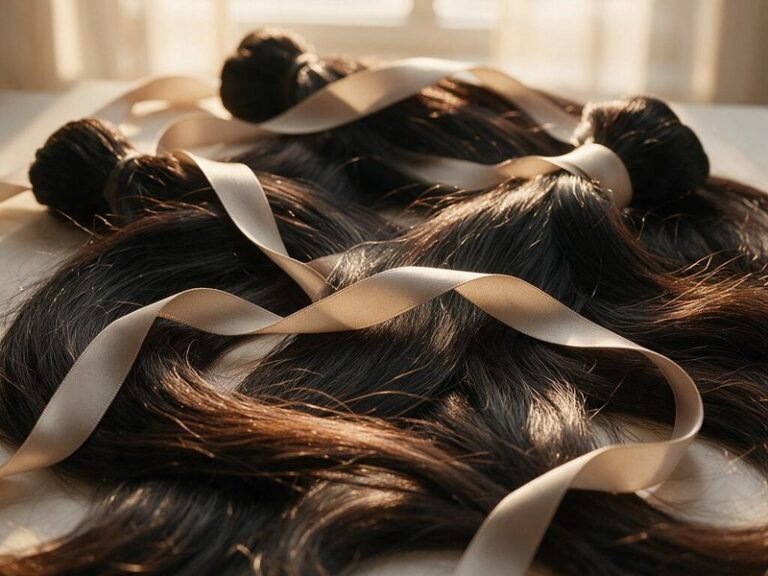
For weft hair extensions, we always fold the weft once at the stitched top, never crumple it into a ball. Loose weft threads sticking out are a huge tangling culprit—they grab onto individual strands like tiny hooks, and by the time the customer opens the package, those strands are woven so tight into the thread you can’t pick them free without causing shedding. Keep the original elastic band tight around the top of the bundle, twist the full length gently in the same direction the cuticles lay, and wrap it once in plain unprinted acid-free tissue paper.
I know a lot of sellers swap tissue for cheap plastic wrap to save 2 cents a unit, but don’t do it. Have you ever pulled a crumpled bundle out of a mailer and watched strands fly everywhere from static? That’s the plastic wrap effect. Plastic creates static, especially in dry winter months, and static lifts individual strands up so they rub against each other nonstop in transit. You don’t need custom branded tissue, either—plain 17lb copy paper weight tissue works just as well, as long as it’s wrapped tight enough that the hair can’t shift around inside. If there’s slack, you’ll get tangles.
The cheap packaging supply that’s costing you thousands
Let’s talk poly mailers. The ultra-thin 2.5mil mailers you can buy for $0.12 each in bulk look like a great deal, until you run the numbers on returns. We ran a test back in 2022 with 100 sample shipments going from our warehouse in Qingdao to a salon partner in Chicago: half packed in 2.5mil plain poly, half in 4mil bubble-lined poly. The thin mailer group had a 22% tangling rate, from packages getting crushed under heavier freight, punctured by label edges, or folded in half in sorting bins. The bubble-lined group? A 3% tangling rate, for an extra $0.18 per package. That math isn’t hard.
Skip the crumpled newspaper as void fill, too. Newspaper ink rubs off on blonde and pastel colored hair, and the crumpled rough edges catch loose strands like Velcro. If you need to fill empty space in a box, use plain crumpled kraft paper or seam-sealed air pillows. For tape in hair extensions, tuck a tiny 1×2 inch slip of tissue between every stacked tab before wrapping. If the delivery truck gets warm, the adhesive can soften just enough to stick to loose strands, and you’ll end up with a matted clump of tabs and hair before the package even leaves your state.
A lot of new sellers get tempted to skimp on packaging to hit the rock-bottom price points that perform on ultra-low-cost marketplaces, but if you read our breakdown of selling hair on Temu and Shein, you’ll see that high return rates from damaged, tangled shipments eat into those thin margins faster than almost any other cost.
What to skip (you’re wasting money if you buy these)
You don’t need silk storage bags for every order. I know every influencer seller swears by them, but a $0.80 silk bag per unit adds up fast, and they don’t prevent tangling any better than tight tissue wrap for standard 10-24 inch lengths. We only recommend silk bags for retail orders over $300, or for 28+ inch lengths, since those extra-long strands shift more in transit. You also don’t need to double box every order. Double boxing only makes sense for full cases of custom colored hair, or high-value orders you can’t afford to replace. For single bundles or small tape-in sets, a solid 4mil bubble mailer is enough protection.
First-time buyers often overspend on fancy packaging because they see other sellers doing it, which is why we built our first-time wholesale buyer checklist to help separate necessary costs from unnecessary fluff. Skip those fine mesh hair nets people stretch over bundles, too. The open mesh catches individual strands, and when customers pull the net off, it yanks strands loose and creates flyaways that turn into mats after the first brush. If you need a second layer over tissue, just use another sheet of tissue. Go light on detangler before packing, too. A light mist to smooth flyaways is fine, but heavy spray gets tacky in 120-degree summer delivery trucks, making strands stick together like glue.
How carrier choice impacts tangling (no, it’s not just rough handling)
Handlers tossing packages is annoying, but the real tangling culprit from carriers is time spent in unconditioned spaces. Ground shipping that takes 5-7 days cross-country in July, when trailer interiors hit 120 degrees? That heat softens hair cuticles, makes them more prone to friction, and can melt cheap pre-bond adhesive, leading to stuck, matted strands. If you’re shipping lengths over 18 inches in summer, spend the extra $1.25 per package for 2-3 day priority shipping. It feels like an unnecessary add-on until you compare it to refunding a $180 bundle that arrived unusable.
For bulk hair for braiding, wrap each 100gram section separately in tissue, then stack them flat in the box, never standing on end. If you stand bundles upright, the hair’s weight pulls against the top elastic, loosening strands that fall to the box bottom and tangle into a bird’s nest by delivery. Skip padded mailers with shredded paper filling, too—those fluff bits get caught in hair, and picking them out pulls strands loose that turn into mats after the first comb pass.
Quick pre-dropoff checks to ship hair extensions without tangling
You don’t need a fancy quality control line to catch most tangling risks before a package goes out. These 30-second checks take almost no time, but in our warehouse they’ve cut in-transit tangling reports by almost 50%:
- Give each bundle a single downward pass with a wide-tooth comb right before wrapping, just to smooth down any flyaways already sticking up.
- Tuck all loose weft threads and tape tab edges under the tissue, so they don’t catch on other bundles or the mailer lining.
- Shake the sealed package once. If you can hear hair shifting around inside, add more void fill. Movement creates friction, and friction creates tangles.
- Slap a “do not bend” sticker on the outside. It won’t stop every handler from tossing the package, but it cuts down on crumpled, folded packages by roughly 40% in our experience.
Quick answers to the questions we get every week
Will vacuum sealing keep hair from tangling?
Short answer: No, for most hair types. Full vacuum sealing squashes cuticles flat in random directions, and when you open the package, ruffled cuticles cause immediate tangling the second a customer runs their fingers through it. The only time vacuum sealing works is for low-cost non-remy bulk braiding hair, and even then you need to leave a small air pocket so you don’t compress hair completely flat. We’ve seen buyers try full vacuum seal on premium cuticle-aligned wefts, and 60% of those orders arrived so matted we had to send full replacements. Don’t waste the time.
What do I do if a customer says their order arrived tangled?
First, don’t argue. Ask for a 10-second video of the hair still in original packaging, so you can tell if it was a prep fail on your end, or if they ripped the tissue loose and pulled strands while opening. If hair is matted straight out of the wrap, send a replacement and double check your packing process—odds are you twisted hair against the cuticle, used too thin a mailer, or left too much slack in the wrap. If it’s just a few small surface tangles from opening, send a quick note to hold the weft top tight and brush from the ends up; no full replacement needed.
Does hair texture change how I should pack it?
Yep. Curly and coily textures need an extra half-sheet of tissue around the ends, because tighter curl patterns catch on each other way faster than straight or body wave. You don’t need to straighten curly hair to ship it, just twist each curl clump gently in its natural direction before wrapping, so curls stay defined and don’t rub together. Pre-bonded k-tip hair needs small paper slips over the hard keratin ends, too, so sharp edges don’t snag strands in transit.
At the end of the day, shipping hair without tangling isn’t about buying the most expensive packaging or jumping through a million hoops. It’s about minimizing movement inside the package, keeping cuticles aligned, and not cutting corners on the few supplies that actually make a difference. If you’re ordering stock for your salon or resale shop, our team can pre-prep every order with the tissue wrap and secure bands we use for our own shipments, so you don’t have to re-pack everything when it hits your door. Just leave a note on your order, and we’ll handle it.
Send Us Your Hair Inquiry
Need bulk pricing, samples, or a private-label quote? Fill in the form and our team will get back to you within one business day.