Canton Fair and Hair Industry Trade Shows: A Sourcing Guide
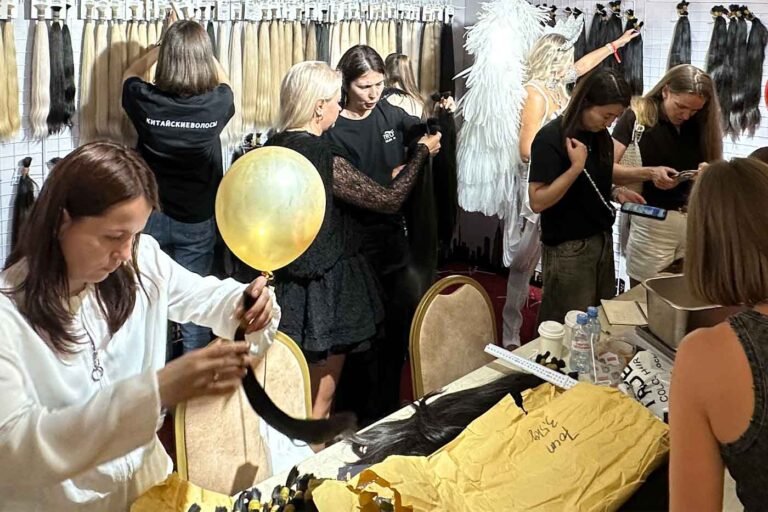
If you’ve ever dropped $2,000+ on flights, hotels, and booth samples only to go home with 17 supplier business cards that all lead to dead ends, you know hair trade shows aren’t the easy sourcing win social media makes them out to be. We’ve spent 12 years manning booths at Canton Fair and smaller U.S. hair shows, watching first-time buyers make the same avoidable mistakes over and over. This isn’t a generic list of “wear comfortable shoes” tips—it’s the stuff no booth rep will tell you out loud.
Let’s get real: what shows are actually worth your time and money?
Let’s start with Canton Fair, since it’s the big one most new buyers ask about. It runs three phases a year in Guangzhou, and if you’re sourcing hair, you want Phase 3, the section focused on personal care, textiles, and beauty products. Show up for Phase 2 by mistake, and you’ll spend three days wandering past power tools and kitchen appliances wondering where all the hair booths are. We see that happen to at least a dozen buyers every fair.
Canton Fair’s hair section spans roughly 50,000 square feet, but here’s the fine print: only about 15% of those booths are run by actual factories with their own production lines. The rest are trading companies that source from random small workshops, mark prices up 15-25%, and have zero control over batch consistency. The upside? Real factory booths at the fair usually offer first-order MOQs of 30-50 bundles total (mixed across lengths and textures) vs. the 200+ bundle minimum most list on their public websites. That’s a huge win for smaller salons and new resellers who don’t have thousands in upfront inventory budget.
What about the regional U.S. hair shows in Atlanta, Dallas, and Las Vegas? They’re great for networking with other stylists, testing new tools, and spotting upcoming texture trends. They’re terrible for locking in factory-direct pricing, though. Roughly 70% of the hair booths at those shows are U.S.-based resellers marking up stock 40-60% before it even hits your shelf. You won’t find a better price there than you would ordering direct after proper vetting.
The booth tricks that will waste your budget before you even place an order
Every show has its share of flashy demos and “limited time” deals designed to get you to place an order on the spot. We’ve watched reps pull these tricks for years, and most buyers don’t see them coming.
First, that silky, soft “100% virgin hair” sample glued to the booth display? It’s coated in three layers of silicone serum to feel luxurious, and it will mat badly after two washes. We’ve seen booth staff swap those display samples out every morning of the show to keep that perfect soft feel. Second, the “show only 30% off” deal that sounds too good to pass up? Nine times out of 10, that discounted price is for acid-washed non-remy hair with stripped cuticles, not the cuticle-aligned stock your regulars expect. Third, reps will promise 7-day lead times to get you to sign on, but if you don’t get that timeline in writing on a proforma invoice with a clear late-delivery clause, you’re looking at 3-4 week waits during the peak August-October stocking season.
We’ve boiled down the most common booth claims and what they actually mean, so you don’t have to guess:
- “Factory direct” sign: 60% chance it’s a trading company marking up prices for commission
- Impossibly soft, zero-tangle sample: 70% chance it’s silicone-coated, will mat after one wash
- First-order MOQ under 20 bundles: 90% chance it’s leftover canceled-order stock with inconsistent batch quality
What to actually do before you step foot on the show floor
Don’t show up with a vague idea that you “need to find a good hair supplier.” Come with a tight list of non-negotiables, and stick to it. For example, if 70% of your salon’s bookings are for braid services, you already know you’re prioritizing suppliers that carry consistent bulk hair for braiding, not the ones pushing high-margin custom wigs and lace closures at every turn. Don’t waste 20 minutes chatting with a booth that doesn’t carry the core products your business relies on.
Print physical copies of your quality specs to hand to reps: how many grams per bundle (we recommend 100g for 12-18 inch lengths, 115g for 20-30 inch to avoid thin, scraggly ends), acceptable length tolerance (no more than 0.5 inches shorter than labeled), and required restock turnaround time. Bring a small test kit too: a travel spray bottle of water, a fine-tooth comb, and a little bottle of 91% rubbing alcohol. Spray the sample, run the comb from root to tip—if it sheds more than 2-3 strands per pass, walk away. Dab a little alcohol on a cotton swab and rub the hair near the weft; if dye transfers to the swab, that color will run the first time a client washes their install.
If you’ve built your brand around ethical hair sourcing, bring that list of questions too. Don’t wait until you’re back home to ask about donor compensation and factory labor practices. Reps will give you far more honest answers face to face than they will over a generic marketing email sent weeks later.
How to tell a real factory apart from a trading company, fast
Every booth rep at every show will tell you they own the factory. It’s the default line. But you can sort real operators from middlemen in two minutes flat with three quick checks.
First, ask for their exact factory address, not their office mailing address. If they hesitate, or give you a downtown Guangzhou high-rise address instead of an industrial district in Xuchang, Qingdao, or outer Guangzhou, they’re a trading company. Second, ask for unedited production floor photos from the last week—shots that show real staff and work tables, not generic stock photos from Alibaba. Third, ask for 2-3 references of U.S.-based buyers who have ordered from them for 2+ years. Real factories won’t hesitate to share those; trading companies will deflect with lines about protecting client privacy.
Another red flag: if a booth claims to sell every extension type on the market at rock-bottom prices, they’re not running their own factory. Most small to mid-sized factories specialize in 2-3 product lines—say, hand-tied and machine wefts plus bulk braiding hair. If they carry wefts, k-tips, tape-ins, wigs, closures, and halos all at 50% below market price, they’re sourcing from unvetted workshops with zero quality control.
The follow-up mistakes that kill 80% of good show leads
Most buyers spend three days walking the floor, collect a thick stack of business cards, then get back to their salon, get swamped with clients, and wait two weeks to reach out. By then, the rep you spoke to has 200 other follow-up emails in their inbox, and they won’t remember specifics like that you need 22 inch deep wave bulk for your summer braid camp.
Reach out within 48 hours, reference that personal detail from your chat, and ask for a single 100g test bundle before placing a full order. Never place a $5,000+ order on the spot at the show, no matter how good the discount sounds. We’ve seen dozens of buyers do this, only to receive stock that’s 20% synthetic with zero recourse, because they paid via unsecured wire transfer with no formal agreement. Don’t ghost a rep if their test bundle isn’t perfect, either. If the hair is 90% there but ends are a little thinner than you wanted, tell them. Most factories adjust production for repeat wholesale clients—that’s how reliable, long-term partnerships start.
If you’re not sure what baseline quality specs to reference in those follow-up conversations, our sourcing FAQ lays out standard weight, length, and quality benchmarks so you don’t have to guess.
Quick answers to the questions we get every show
Is Canton Fair only for huge bulk orders?
No, but you won’t find MOQs of 5 bundles per texture, either. Most real factory booths accept first orders of 30-50 total bundles, mixed across 2-3 textures, for face-to-face connections. That’s far lower than the 200+ bundle MOQ most factories list online for cold outreach, so even new resellers can find a workable first order size.
Should I book a factory visit after the show?
If you’re consistently placing $10,000+ in hair orders a year, absolutely. Budget 2-3 extra days to tour the floor and watch staff pack your first test order in person, which eliminates nearly all quality surprises. If you’re a smaller salon doing $1,000-$2,000 in monthly hair sales, skip the extra travel cost for now. Order test bundles, build trust over 3-4 orders, and visit once your volume justifies the expense.
Trade shows can absolutely be worth the time and travel cost, if you show up prepared, skip the flashy hype, and treat every interaction like you’re vetting a long-term partner, not chasing the cheapest possible price per bundle. You don’t have to walk every aisle, collect every business card, or jump on every “limited time” deal to leave with a supplier that will show up for your business for years. If you’re prepping for an upcoming show and want to get a feel for standard quality benchmarks before you go, browse our product lines to set your baseline, so you know a solid deal when you see one.
Send Us Your Hair Inquiry
Need bulk pricing, samples, or a private-label quote? Fill in the form and our team will get back to you within one business day.