What Are Private Label Hair Extensions?
If you’ve spent any time scrolling hair supplier pages or chatting with other salon owners at trade shows, you’ve definitely heard the term private label hair extensions thrown around like it’s some magic ticket to bigger margins. We’ve talked to hundreds of new buyers who think it means super fancy custom factory orders with six-figure minimums, and that’s not even close to the truth. We’re pulling back the curtain here because we see the same misconceptions pop up every week in our warehouse, and it’s way simpler (and more accessible) than most people make it sound.
First off: it’s not some fancy exclusive hair formula
A lot of new buyers assume private label hair is a separate, higher-quality tier than regular wholesale, or that we set aside a special premium batch only for private label clients. Nope. The hair itself is the exact same 100% cuticle-aligned remy stock we sell to every buyer, whether they’re grabbing 2 bundles for a last-minute appointment or 500 bundles to stock a salon retail wall. The only difference is the branding we add after the hair passes our 3-point quality check: custom tags, satin bags, branded boxes, even color-coded length labels if you want them.
Our standard private label MOQ starts at 50 total units across all lengths and textures, no hidden logo fees after your first order. That 50-unit MOQ is for branding on existing stock, not full custom manufacturing. If you want custom weft construction, adjusted keratin bond formulas, or a one-of-a-kind color blend, that’s a custom order with a 500+ unit minimum and 8-12 week lead time, not standard private label.
What actually comes with a standard private label order?
Most suppliers (us included) don’t make you reinvent the wheel for your first private label run. You pick the hair types your clients already ask for by name—whether that’s tape in hair, k-tips, hand-tied wefts, or loose hair for braids—send us your high-res logo, and we handle the rest. You don’t have to design packaging from scratch or coordinate with a separate print shop, which trips up most new brand owners.
The standard inclusions on every order are straightforward:
- Custom printed hang tags with your logo, care instructions, and length/color markings
- Plain, unbranded outer packaging with zero mention of our factory or brand name anywhere
- Optional direct shipping to customers, with your return address on the label
Upgraded packaging, like embossed rigid boxes or custom satin scrunchies, adds $1.20 to $2.80 per unit and tacks 3-5 days onto lead time. We never push those upgrades on first-time buyers, because most people are better off testing what sells before sinking extra cash into fancy packaging.
The biggest myths we hear from first-time private label buyers
We field the same wrong assumptions every week from people who’ve seen private label pitched by overpriced gurus selling $500 “hair brand in a box” courses. First myth: You need to be a big, established brand to qualify. We work with solo braiders fresh out of cosmetology school who order 50 units a quarter, and multi-state salon chains that order 2,000 units a month. That 50-unit MOQ is intentional—we don’t force new buyers to sit on thousands in inventory they can’t move just to get their logo on something.
Second myth: Private label hair is lower quality than “luxury” name brand hair. Honestly? Most big-name influencer-promoted hair brands sell the exact same cuticle-aligned remy hair we stock. We’ve had buyers send us $400 “premium” bundles to match, and the hair is identical to our 18-inch straight stock that sells for a fraction of the price. Those brands mark up product 200-300% to cover ad spend, influencer commissions, and overhead.
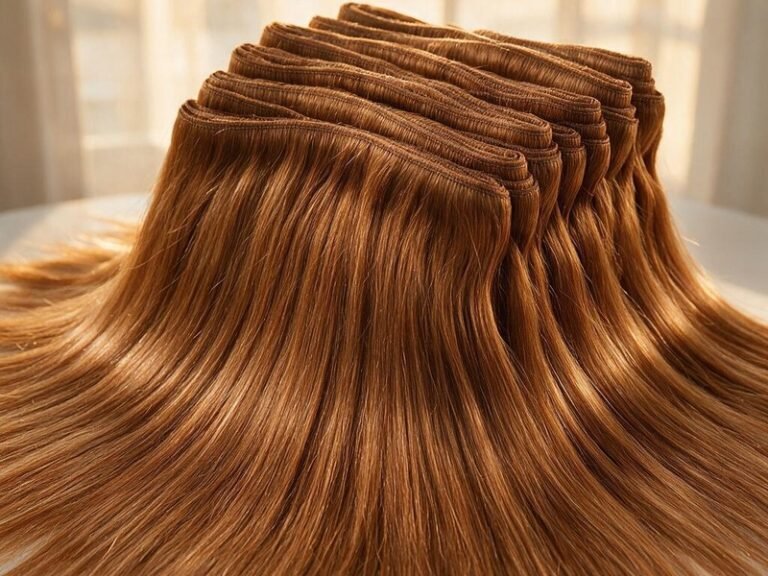
Third myth: You have to order all the same length, texture, or extension type to hit the MOQ. Nope. You can mix bob wefts, body wave bundles, and k-tip pieces across every color we carry, as long as total units hit 50. If you’re still sorting out which extension types make sense for your clients, our breakdown of K-tip vs U-tip differences is a good place to start so you don’t waste MOQ space on products no one will book. A lot of our braider clients start with bulk hair for braiding as their first private label order, since that’s their highest-turnover product and they know they’ll move through it fast.
The real downsides no supplier brags about
Let’s be clear—private label isn’t for every buyer, and we never push it on people who don’t stand to make money from it. First, you’re on the hook for inventory once it’s printed with your logo. If you order 50 bundles of 30-inch deep wave and none of your clients book that look, you can’t send it back for a refund. That’s why I’d suggest new buyers start boring on their first order: stick to the 2-3 lengths and textures you sell every week, skip fancy custom packaging, and don’t order wild colors just because they look good on Instagram.
Second, lead times are longer than blank stock orders. Blank, unbranded stock usually ships in 2-3 business days, but private label takes 10-14 days because we print your custom materials, tag every unit, and do a final check for misprinted tags or wrong lengths. If you take last-minute emergency client appointments, keep a small stash of blank stock on hand instead of relying solely on private label inventory.
Third, there’s a one-time $75 setup fee for new private label accounts. It covers the custom print plate for your hang tags and time our design team spends adjusting your logo to fit tag dimensions if your file isn’t print-ready. We don’t mark that fee up—it’s exactly what our local print shop charges us. A lot of suppliers hide that fee in inflated per-unit pricing, but we’d rather tell you upfront so you can budget for it. If you have questions about current lead times, fee structures, or custom add-ons, you can find the most up-to-date numbers on our FAQ page—we update those numbers every time our print shop adjusts pricing or lead times shift around holidays.
Quick answers to the questions we get every week
Is private label worth it for a solo stylist or braider?
It depends. If you’re only doing 2-3 extension clients a month and don’t sell retail bundles, it’s probably not worth the MOQ or setup fee. Stick to blank stock ordered as needed. But if you’re consistently doing 5+ extension or braid clients a month, or have regulars asking to buy bundles directly for trips or touch-ups, it’s a no-brainer. Most solo stylist clients make back the setup fee and first MOQ cost in 3-4 appointments, just from extra markup for branded, salon-exclusive hair.
Can I sell private label hair on my website or social media?
Of course. That’s what most of our buyers do. We don’t have restrictions on how you price it, where you sell it, or what you name your brand. The only thing we ask is that you don’t make false claims about the hair—you don’t have to name our factory, but you also don’t need to invent fancy sourcing stories to sell it.
Do I need a formal business license to order private label?
For our shop, no. We work with plenty of new resellers still building their client list who haven’t filed for an LLC or business registration yet. The only things we need to get your first order going are your logo file, your selected hair units, and your shipping info.
If you’re still on the fence, start small. Place a regular blank stock order first, test quality with your most loyal clients, and once you know which textures and lengths you can’t keep in stock, reach out to set up your private label account. You don’t have to build a million-dollar brand overnight. Most successful salon brands we work with started exactly that way—one 50-unit order, simple hang tags, and a focus on the hair their clients already loved.
Send Us Your Hair Inquiry
Need bulk pricing, samples, or a private-label quote? Fill in the form and our team will get back to you within one business day.